Sterling — A Legacy of Learning by Doing
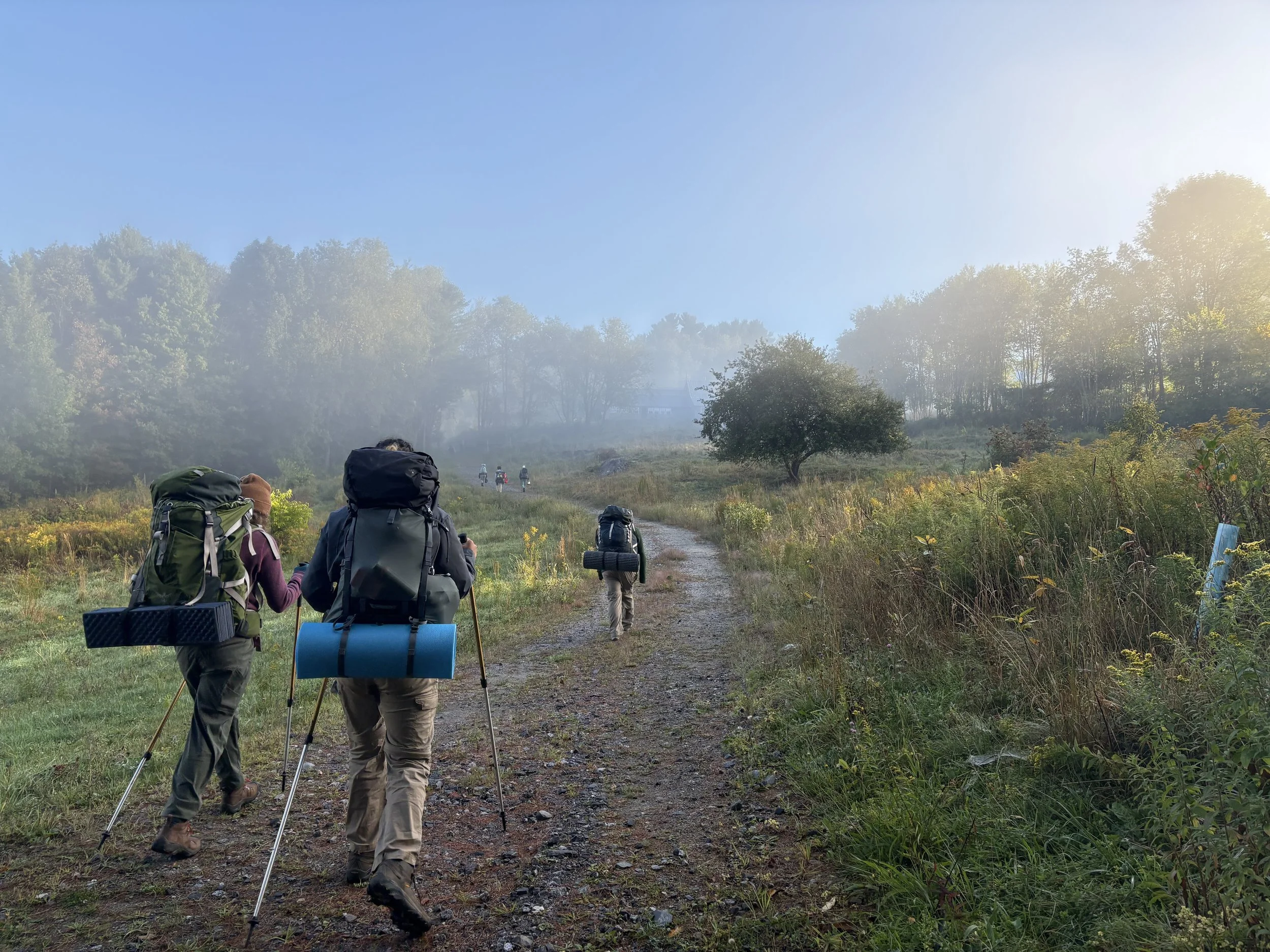
For more than six decades, Sterling has been a place where people learned by doing, challenged themselves, formed lasting relationships, and developed a deeper sense of responsibility to the places and communities around them. While the institution evolved significantly over the years—from a boys’ preparatory school to an environmental college—its commitment to experiential learning, community, and connection to the land remained at the heart of the Sterling experience.
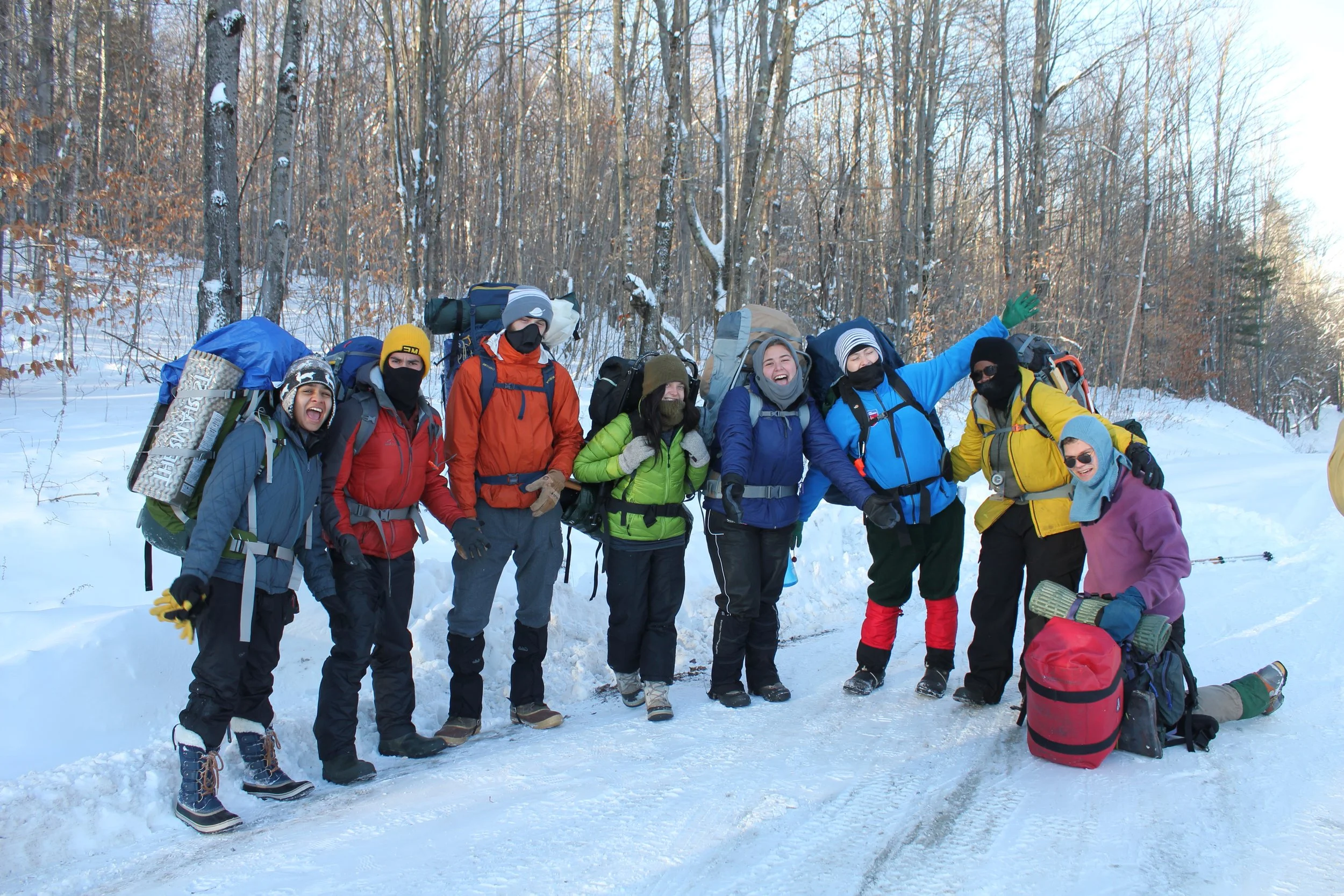
Sterling College's journey reflects a dynamic evolution in response to the shifting landscapes of environmental education and rural communities. Founded in 1958 as the Sterling School, a boys' preparatory institution in Craftsbury Common, Vermont, its early curriculum was influenced by the experiential learning philosophies of Outward Bound founder Kurt Hahn. One of the signature elements of the Sterling School experience was the Winter Expedition, four days and three nights in the Lowell Mountains north of campus, a tradition that continues today.
Facing potential closure in 1974, a dedicated group of faculty reimagined the institution's mission, transitioning from traditional preparatory education to immersive, nature-based learning experiences. This transformation led to creating the Grassroots Project in Vermont at Sterling Institute, an academic year-long program inspired by Outward Bound principles. The approach drew on John Dewey’s principles of experiential learning, emphasizing self-reliance and ecological awareness, laying the foundation for Sterling’s identity as a pioneer in environmental education.
By 1983, Sterling had evolved into an accredited college offering an Associate of Arts degree in Resource Management, achieving full accreditation from the New England Association of Schools and Colleges in 1987. The institution continued to grow, and from 1997-2026, Sterling College had been accredited by the New England Commission on Higher Education as a four-year college, awarding Bachelor of Arts degrees in Environmental Studies with emphases available in areas such as Ecology, Environmental Humanities, Outdoor Education Leadership, and Sustainable Agriculture and Food Systems. Throughout this evolution, Sterling strengthened its commitment to environmental stewardship, becoming one of the first institutions to divest its endowment from fossil fuel extractors in 2013—a move that further positioned the college as a leader in sustainability-driven higher education.
In 1999, Sterling College joined the Work Colleges Consortium, formally integrating work-learning into its educational model. By 2024, Sterling had woven the work program into an active work-learning environment centered in a constellation of 15 competencies located in three domains of learning: Understanding the Natural World, Humans in the Environment, and Creating New Communities.
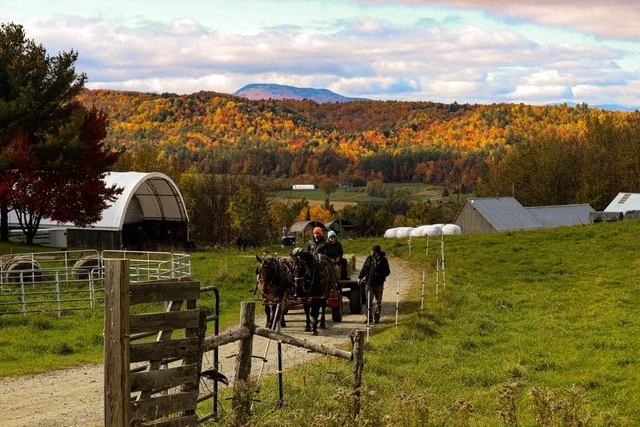
Unlike traditional colleges, Sterling integrated work, learning, and community engagement into every aspect of education. As a Work College, students contributed directly to campus operations, gaining real-world experience that prepared them for careers in environmental sustainability, outdoor leadership, and sustainable agriculture.
On October 31, 2025, the Sterling College Board of Trustees resolved to conclude the College’s Associate and Bachelor’s degree programs at the end of the spring 2026 semester.
The decision followed an extensive review of the College’s financial position and a systematic exploration of alternatives that could reliably sustain Sterling. In choosing to conclude its degree programs, the Board sought to ensure an orderly transition that honored Sterling’s 65-year legacy of educational innovation, supported students in completing their studies, provided for faculty and staff during the transition, and preserved the dignity and historical significance of Sterling’s contributions to experiential education.
Sterling’s financial challenges extended beyond an annual budget shortfall. Each year, the College’s core expenses exceeded the revenue generated through tuition and philanthropy. While the Board and College leadership had made ongoing adjustments to keep a Sterling education affordable and remain true to the College’s mission, further reductions would have compromised the quality and integrity of the Sterling experience. The Board ultimately concluded that the best path forward was to bring degree-granting programs to an orderly close while preserving Sterling’s legacy and the significance of its contributions to experiential education.
Faculty and staff worked closely with students in their final semesters, helping them complete their degrees at Sterling. For students who required additional time to complete their studies, the College established transfer pathways with institutions including College of the Atlantic in Bar Harbor, Maine; Paul Smith’s College in Paul Smith, New York; Community College of Vermont; and Champlain College in Burlington.
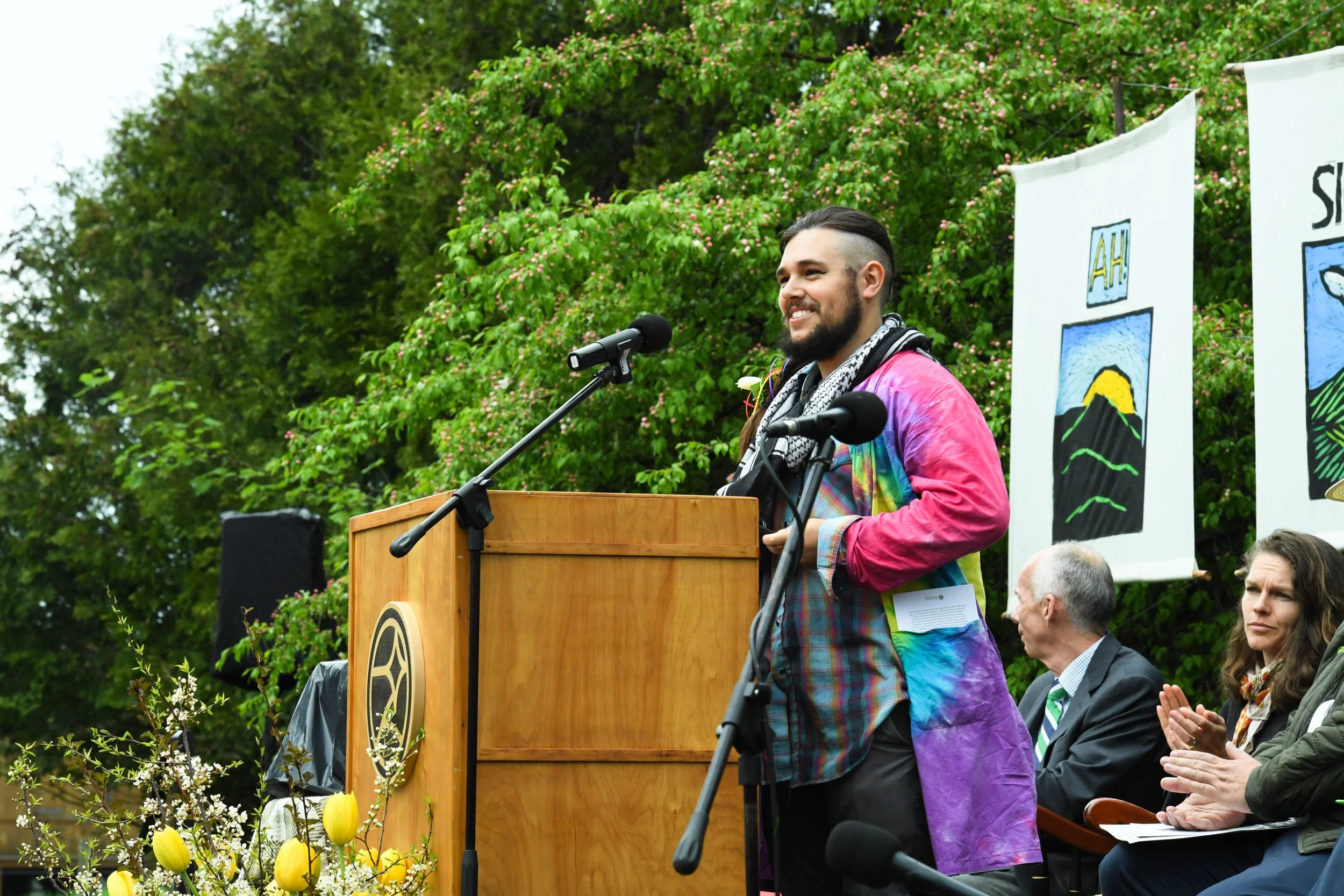
Spring 2026 marked Sterling’s last undergraduate semester. On Saturday, May 16, the College celebrated its final Commencement, honoring 29 graduates who completed Associate and Bachelor of Arts degrees in Environmental Studies.
To learn more and read recent updates about the College closure and campus sale, click here.
For decades, Sterling alumni have shaped Vermont’s outdoor recreation, conservation, and sustainable agriculture sectors—working as wilderness guides, land stewards, and sustainability entrepreneurs. Their impact underscores the need for continued investment in place-based, regenerative education that drives workforce development and strengthens rural economies.
Across every era of Sterling’s history, the details of the curriculum and institutional structure changed, but something essential remained remarkably consistent: Sterling believed that some of the most important learning happens through experience.
Work, study, community, challenge, and connection to place were woven together in ways that were uncommon in higher education. Students worked alongside faculty and one another to care for the campus, farms, forests, and community, gaining practical experience while developing the knowledge, skills, and relationships that would shape their lives beyond Sterling.
For many alumni, however, Sterling was about much more than an educational model. It was an essential lived experience.
Friends and mentors. The land. Shared work and shared challenge. Winter Expeditions and long days outside. Meals, conversations, mistakes, discoveries, and the gradual realization of what it means to live with purpose and responsibility. These experiences transcended the different chapters of Sterling’s history—from the Sterling School years, through the Grassroots Project era, to the Associate and Bachelor’s degree programs of the College’s final decades. They are the parts of Sterling that do not disappear when a semester ends—or when an institution closes. Sterling’s greatest legacy is carried by the people who experienced it
Sterling graduates and those who spent part of their educational journey here have carried the College’s values into their lives, work, and communities. They have become wilderness guides and educators, farmers and land stewards, conservationists and scientists, community leaders and sustainability entrepreneurs.
Across Vermont and far beyond, Sterling alumni have helped shape the fields of outdoor recreation, conservation, sustainable agriculture, environmental education, and rural community development. Their work demonstrates the enduring value of an education grounded in place, responsibility, and learning by doing.
Each member of our community has left an imprint on Sterling. And Sterling’s mission continues—in the work you do, the communities you build, the places you care for, and the people you inspire.
The conclusion of degree granting education marks the end of one chapter in Sterling’s history, but it does not erase the decades of learning, relationships, work, and community that came before it.
Sterling belongs to everyone who has been part of its story.
As we move through this transition, we invite alumni to remain connected, share their experiences, and help preserve the stories that make Sterling what it was—and what it continues to mean to so many people.
Thank you for your continued commitment, compassion, and care for the community that defines Sterling. Together, we can honor the people, places, experiences, and ideas that make up its enduring legacy.
Request a Transcript
Our team is committed to ensuring your records remain accessible and that you continue to receive the support you need as a valued member of the Sterling community. After the summer of 2026, the College of the Atlantic, will become the custodian for all Sterling College records.
Stewardship of Sterling College's academic records will transition to College of the Atlantic in 2026. Once the transfer is complete, College of the Atlantic will serve as the official custodian of all Sterling College records.
Until that transition is complete, please use the Transcript Request Form.
Future Sterling— The Sterling Institute for Conservation and Community Leadership
The Future Sterling Campaign is alive and well. A dedicated group of former faculty & staff, alumni, and community members are working to carry forward the mission of Sterling.
Consent to sharing your directory information with the Sterling Institute.
Show Your Support for Sterling
While Commencement marked the conclusion of Sterling College's degree programs, our work is not yet finished. Throughout the summer and fall of 2026, a small group of dedicated employees remain to wind down College operations.
Your gift honors the people who are helping Sterling fulfill its final commitments, including:
Our operations team, who continue to care for the campus, maintain the buildings, and provide security.
Our advancement team, who are completing grant reporting, stewarding donors, and preserving Sterling's story through website and social media updates.
Our registrar, who is processing final transcript requests and ensuring student records are prepared for long-term stewardship.
A favorite faculty or staff member, a beloved farm animal, or a quintessential Sterling memory that made the College a place you'll always cherish.
Thank you for helping us honor Sterling's final chapter with the same care, integrity, and community spirit that have defined the College for more than 65 years.